
Build real upper-body strength at home with the right pull up bar. This guide breaks down doorway bars, no-screw options, home gym integrations, and what truly defines stability and performance. Discover how to choose a secure, durable setup that supports consistent training without wasting space or money.
Showing all 16 results
-

Adipro Adjustable Doorway Pull-Up Bar
Read more -
Craava Doorway Adjustable Pull-Up Bar
Read more -
Halohop Adjustable Doorway Pull-Up Bar (200 kg)
Read more -
Leikefitness Adjustable Doorframe Pull-Up Bar
Read more -
Lifelong 200kg Bracket Pull Up Bar
Read more -
Lifelong Adjustable Doorway Pull-Up Bar (200 kg)
Read more -
Lifelong Extra-Wide Adjustable Pull-Up Bar
Read more -
PROIRON PRO MSDG01-1
Read more -
Roughhouse Heavy-Duty Adjustable Doorway Pull-Up Bar
Read more -
Slovic Adjustable Doorway Pull Up Bar 200 Kg
Read more -
Slovic Adjustable Doorway Pull-Up Bar (100 kg)
Read more -
Slovic Adjustable Doorway Pull-Up Bar (300 Kg)
Read more -
Sportneer Adjustable Doorway Pull-Up Bar
Read more -
Strauss Adjustable Doorway Pull-Up Bar
Read more -
Ultrasport Adjustable Steel Doorway Pull-Up Bar
Read more -
XRT65 Adjustable Doorway Pull-Up Bar Review
Read more

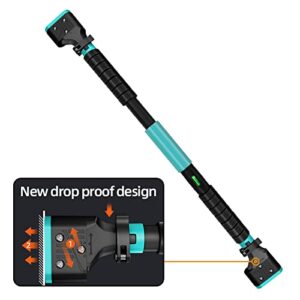
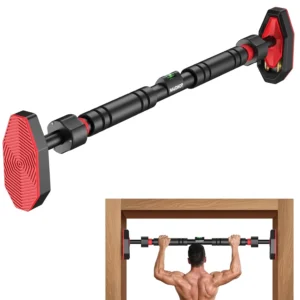
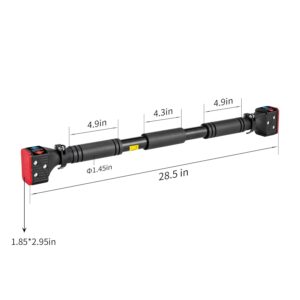
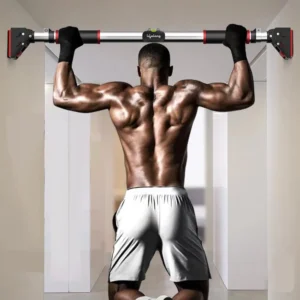
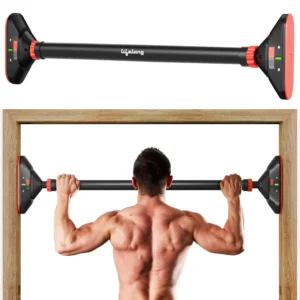
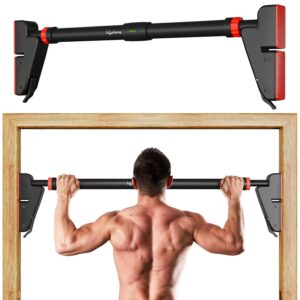
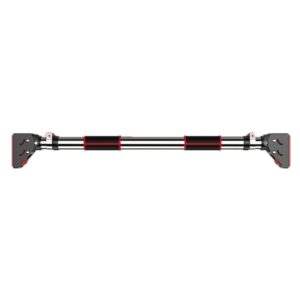
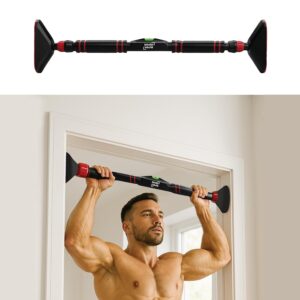
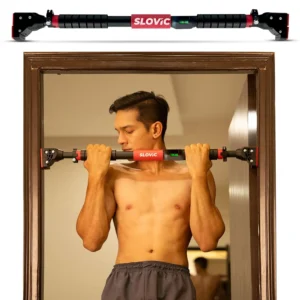

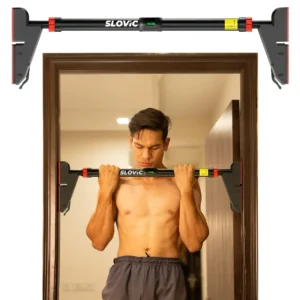
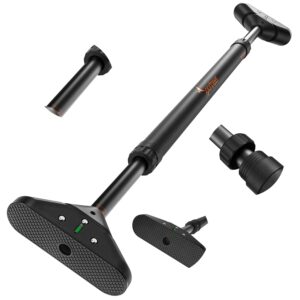
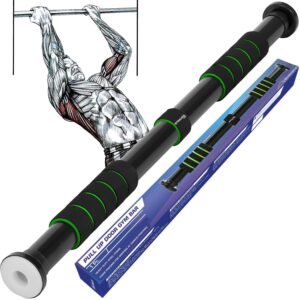
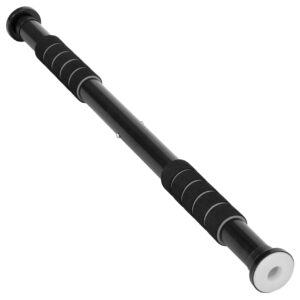
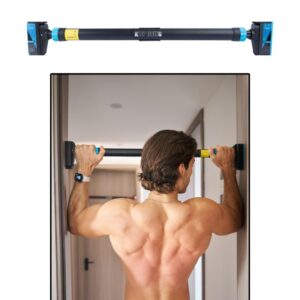
A pull up bar for home is not a casual purchase. It is the core of your home strength setup. If the bar is weak, unstable, or poorly engineered, every rep feels compromised. If it’s solid, your training becomes consistent, controlled, and progressive.
Some people search for a hanging bar for home, others for a hanging rod for home, a hanging exercise bar, or a hanging pull up bar. The wording changes, but the expectation is the same: a bar that holds your full weight without movement, hesitation, or doubt.
At PullWorkoutGear.com, this category focuses only on serious options. No decorative steel. No unstable rods. No gimmick designs.
If you’re installing strength in your home, it starts here.
Hanging Bar for Home
A hanging bar for home is usually a doorway-based system designed for fast installation and strong load support. It may also be referred to as a door hanging bar, a hanging chin up bar, or simply another type of pull up bar for home.
But the difference between a good bar and a bad one is not in the name.
It’s in the locking system.
A stable hanging pull up bar should not rotate, slide, or creak under load. The expansion system must apply equal pressure across the frame. The steel core must handle dynamic movement, not just static hanging.
The real reason buyers upgrade to the best pull up bar for home is confidence. When you grip the bar, you should feel zero instability.
That is where true hanging pull up bar benefits begin not just stronger lats, but stronger execution. Clean reps. Controlled movement. No hesitation before lifting your feet off the ground.
If your doorway setup feels questionable, your performance will always stay limited.
Choose a bar that feels engineered, not improvised.
Pull Up Rods for Home
Most pull up rods for home are telescopic systems. They expand inside the doorway and rely on compression for support. That design can be extremely effective if built correctly.
A serious adjustable pull up bar for home includes:
- Thick steel tubing
- Reinforced internal threading
- Locking mechanism separate from expansion
- Protective end caps that grip, not slide
Cheap rods fail because they depend on friction alone. Strong rods lock mechanically.
If you are considering a pull up bar for home use, do not focus on price. Focus on engineering. When properly installed, a high-quality adjustable rod will feel permanent even though it is removable.
This is why many users consider it the most practical entry point into strength training at home.
Compact. Strong. Reliable.
Chin Up Bar for Home
A chin up bar for home must support supinated grip work without bending or rotating. This variation places higher tension on elbows and wrists. Weak construction becomes obvious immediately.
Searches like home gym chin up bar or best chin up bar for home gym usually indicate someone who wants versatility without a full rack.
The truth is simple: the best bars do both.
They allow pull-ups, chin-ups, static holds, and controlled negatives without shifting inside the frame.
A solid home gym bar should support repeated sessions without loosening. The grip must stay firm. The structure must stay aligned.
When evaluating the best pull up bars at home, judge them by how stable they feel during movement not by how polished they look in product photos.
Pull Up Bar for Home Without Screws
The demand for a pull up bar for home without screws continues to grow. Many buyers want strength without drilling into walls. This is often called a home pull up bar no screws setup.
A well-built pressure-mounted bar is not weak.
It is precise.
The expansion must distribute evenly. The locking system must prevent back-rotation. The contact pads must protect the frame without slipping.
If installed correctly, the best at home door pull up bar without screws can handle serious training.
The key is not rushing the setup.
Measure correctly. Tighten evenly. Lock firmly. Test before full load.
Strength equipment rewards precision.
A properly secured non-drill system delivers the same performance advantage as mounted hardware without permanent modification.
Pull Up Equipment for Home
A serious training setup starts with the right pull up equipment for home. That does not automatically mean large machines or complicated installations. In most cases, a properly engineered bar delivers more real strength results than bulky multi-station units.
Some buyers consider a pull up machine for home, expecting faster progress. Machines have their place, but they require space, budget, and commitment. Most people building strength inside limited square footage do better with focused, durable pull ups equipment for home that supports consistent repetition.
If you want simplicity and strength progression without overcomplication, a strong bar wins every time.
A well-built adjustable pull up bar for home adapts to different door widths and supports progressive overload without dominating the room. It belongs in the category of serious exercise bars for home, not temporary fitness accessories.
The difference is engineering. Stability. Confidence under load.
Home Door Pull Up Bar and Gym Integration
A reliable home door pull up bar transforms a doorway into a permanent strength station. It becomes part of your daily routine. Walk past it. Grab it. Train.
For those expanding beyond doorway systems, a home gym pull up bar integrated into a rack or frame creates a more advanced setup. That also falls under home gym equipment pull up bar or home exercise equipment pull up bar configurations.
The advantage of integrating a bar into a larger frame is versatility. The advantage of a doorway solution is efficiency.
The best option depends on your space, not hype.
If you’re building a compact setup, the right pull up bar for home use provides everything you need for upper-body development. No unnecessary attachments. No wasted footprint.
Choosing the Best Pull Up Bar for Home in India
Selecting the best pull up bar for home in India requires attention to door structure and load rating. Frame materials vary. Wall construction varies. Not every imported bar suits every home.
When evaluating the best pull up bar for home India, prioritize verified adjustment ranges and reinforced locking systems. A well-built unit should feel planted the moment it is installed.
The best pull up bars for home use share three characteristics:
- Strong internal threading
- Secure locking mechanism
- Stable, non-slip end protection
Everything else is secondary.
Durability is what separates short-term equipment from long-term training tools.
Pull Up Bar Setup at Home
A secure pull up bar setup at home determines performance. The strongest bar still fails if mounted carelessly.
Measure first. Install evenly. Lock completely. Test gradually.
If you’re integrating the bar into a larger space, think in terms of a bar setup for home gym rather than random placement. Position it where ceiling clearance, wall strength, and movement space align.
A serious home gym bar should feel permanent, even if it is removable.
Confidence during the first rep matters more than any specification sheet.
Buying Considerations Without Overthinking
When you decide to buy pull up bar for home, clarity matters more than browsing endlessly.
Ask yourself:
- Is the door frame structurally solid?
- Do I need removable installation?
- Am I training daily or occasionally?
- Do I value portability or permanence?
If you prefer quick ordering, many users choose to purchase a pull up bar for home online because detailed specifications and adjustment ranges are clearly listed.
Some buyers also choose to buy home gym pull up bar online when building a full rack system. In that case, compatibility with your existing equipment matters.
The decision is not about trends. It is about long-term training consistency.
Best Pull Up Bars at Home: What Separates Them
The best pull up bars at home are not defined by branding. They are defined by feel.
Grip the bar. Does it rotate? Does it flex? Does it shift?
If the answer is yes, it is not one of the best pull up bars for home use.
Strength training demands trust. Every repetition begins with that initial lift-off moment. The structure must feel immovable.
That is the standard.
Home Pull Up Bar No Screws vs Mounted Systems
A home pull up bar no screws option works perfectly when precision installation is respected. For renters and temporary setups, it provides freedom without compromise.
Mounted systems provide maximum rigidity but require commitment.
Neither is universally superior. The right choice aligns with your living situation.
Pull Up Bar Stand for Home
For those avoiding doorway pressure entirely, a pull up bar stand for home offers independent support. It occupies more space but removes reliance on frame strength.
This option suits users building a dedicated workout area where movement freedom matters more than compactness.
Final Position
A pull up bar for home is not a casual accessory. It is foundational equipment. Whether you prefer a doorway-mounted hanging bar for home, reinforced pull up rods for home, a versatile chin up bar for home, or an integrated home gym pull up bar, the principle remains the same:
Stability defines performance.
Choose strength over appearance. Engineering over marketing. Durability over price tags.
Install it correctly. Use it consistently.
The right bar becomes part of your environment. The wrong bar becomes part of your regret.
Frequently Asked Questions
To do pull ups at home, you need a stable overhead bar, proper grip positioning, and controlled movement. Start with a full dead hang, engage your back before pulling, and drive elbows down toward your ribs. Avoid swinging or kicking. If you cannot complete a full rep yet, begin with negative reps or assisted variations until strength improves.
When performing pull ups at home with a bar, safety starts with proper installation. Ensure the bar is securely mounted or pressure-locked before lifting your feet. Use a shoulder-width grip, engage your lats first, and pull in a straight vertical line. Lower yourself under control to reduce joint strain and maintain long-term shoulder health.
To set up a pull up bar at home, first measure the doorway width or mounting surface. Align the bar evenly, tighten or secure the locking system fully, and test with partial bodyweight before full hanging. The setup should feel immovable under tension. If the bar shifts even slightly, readjust before training.
To use a pull up bar at home effectively, structure your training. Begin with controlled repetitions, add volume gradually, and include variations such as chin-ups, neutral-grip holds, and slow negatives. Consistency matters more than intensity at the start. Progression comes from clean reps and increasing total weekly volume.
Using a door pull up bar for home requires even pressure distribution across the frame. Tighten both sides equally, ensure anti-slip pads are flush with the surface, and avoid decorative trim that lacks structural backing. Never jump into position—step up and load gradually to protect both the bar and the door.
The benefits of a home pull up bar include improved upper-body strength, enhanced grip endurance, better posture, and scalable progression without machines. It allows compound back training in limited space and supports long-term strength development. For many households, it becomes the most used piece of equipment.
Most beginners can train pull ups at home two to four times per week, depending on recovery capacity. Advanced users may train more frequently with varied intensity. The key is balancing volume and rest so progress continues without elbow or shoulder irritation.
Yes. Beginners can learn how to do pull ups at home by starting with assisted variations, resistance bands, or negative repetitions. Gradual overload builds pulling strength over time. A stable bar and consistent weekly practice are enough to develop full unassisted reps.
A permanent setup offers maximum rigidity, while a removable system offers flexibility. The better option depends on living situation and available space. If structural modification is allowed, mounted systems provide long-term durability. If not, high-quality pressure-mounted bars perform reliably when installed correctly.
Most people notice strength improvements within two to four weeks of consistent training. Visible back and arm development may take longer depending on body composition and frequency. The biggest early changes are improved control, increased repetition capacity, and stronger grip endurance.